Direct Apply Verified

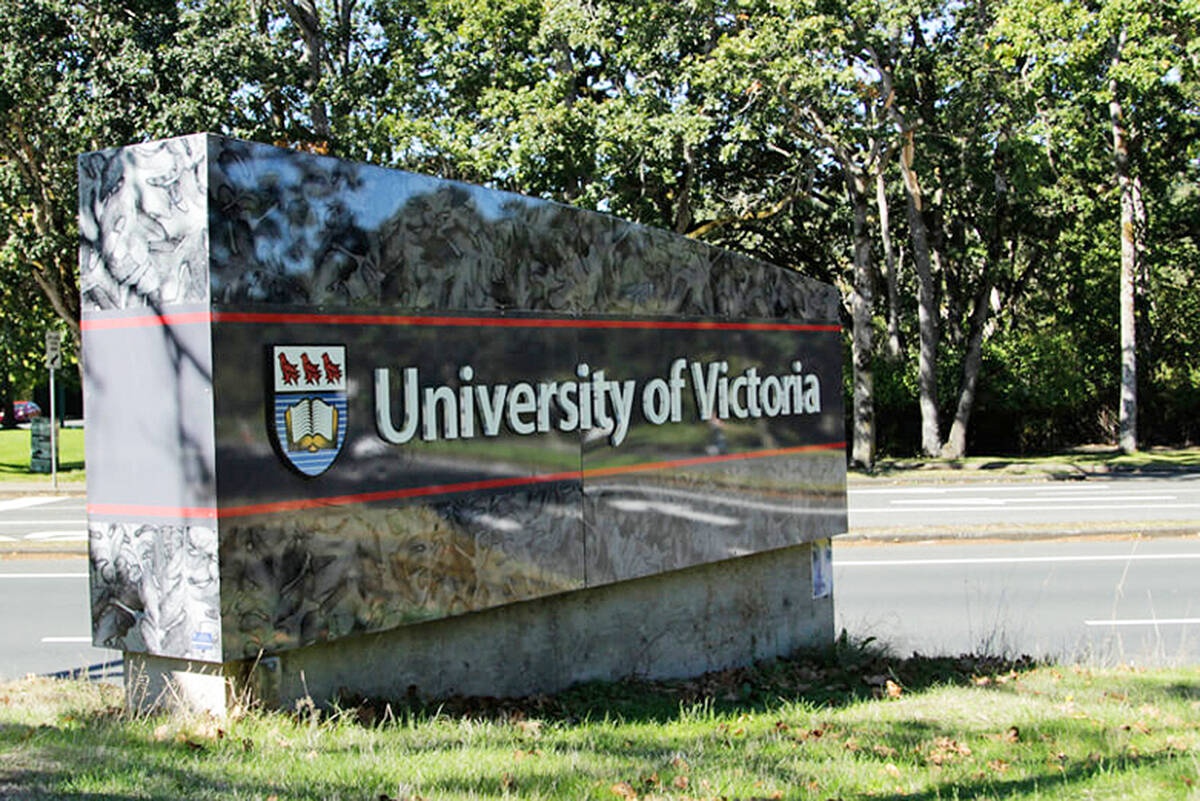
University of Victoria

The University of Victoria (UVic) is a public non-profit educational institution. UVic is located in Victoria, Canada. UVic operates in partnership with the Association of Universities and Colleges of Canada (AUCC), Association of Commonwealth Universities (ACU), Canadian University Society for Intercollegiate Debate (CUSID), Canadian Bureau for International Education (CBIE), and Canadian University Press (CUP).

Canada, Victoria
Victoria took 1st place in the ranking of the best small cities in the world
Acceptance rate - 63%
Number of students - 22020 Number of students - 22020
International students - 19% International students - 19%
Apply
#1 in Canada for Mathematics and Computer Science Research Leiden University Rankings 2023
#2 in Canada for Physical Sciences and Engineering Research Leiden University Rankings 2023
#322 in the World QS World University Rankings

Quick Facts

Victoria took 1st place in the ranking of the best small cities in the world Victoria took 1st place in the ranking of the best small cities in the world
Acceptance rate - 63% Acceptance rate - 63%
Number of students - 22020 Number of students - 22020
International students - 19% International students - 19%

About University

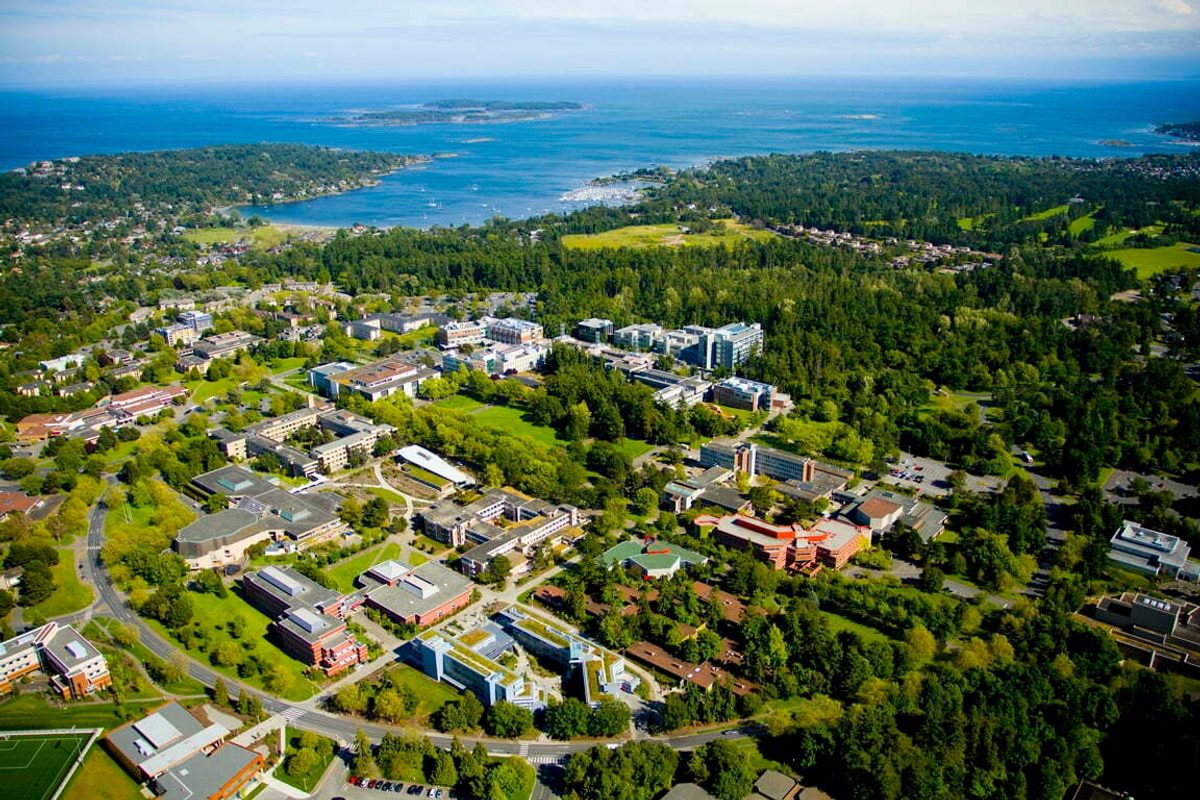
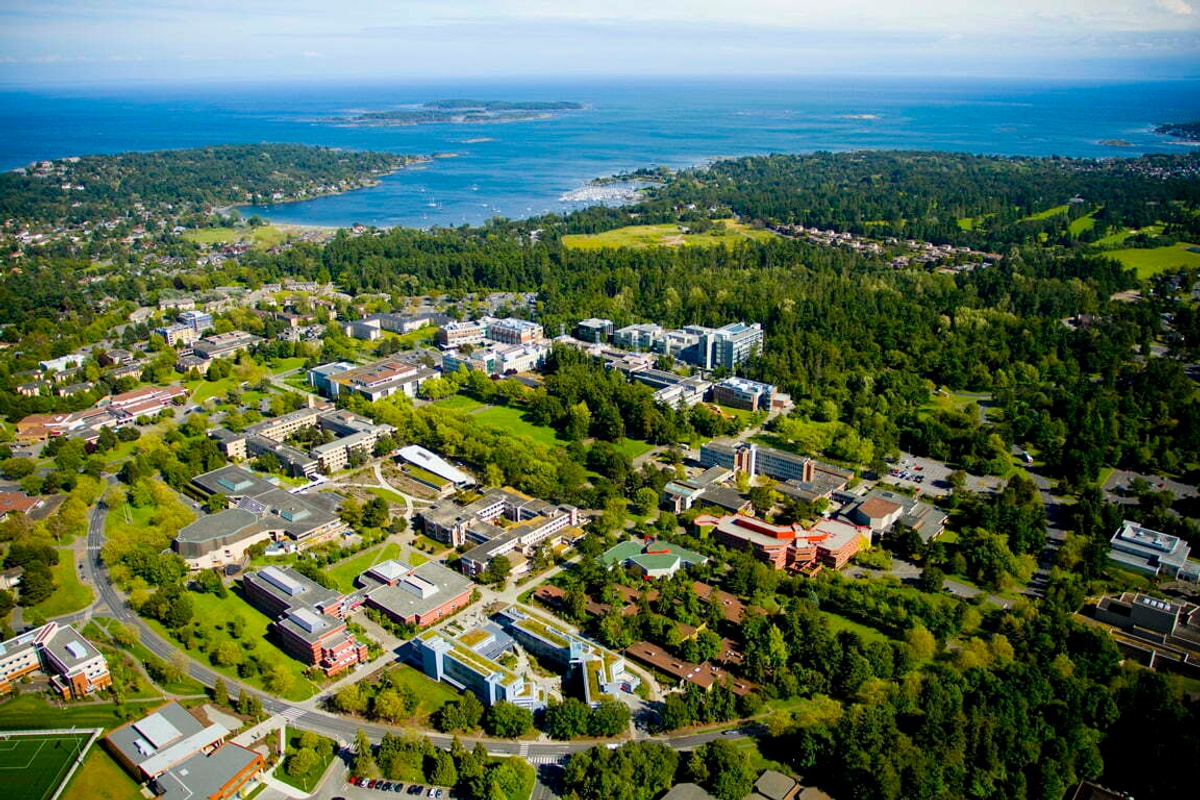
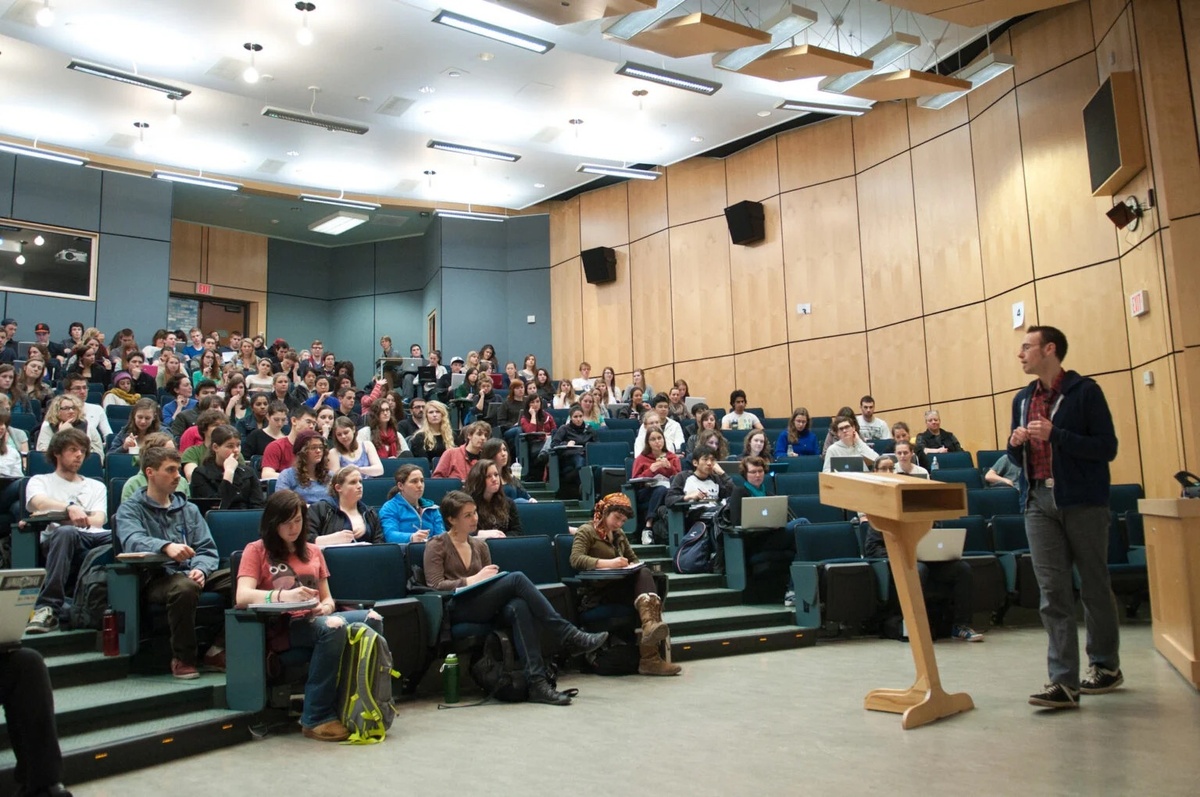
The University of Victoria is one of the best universities in Canada. It was created on the basis of a college in 1963. The Faculty of Law of the University of Victoria is recognized as the best in Canada. Now the university includes 10 faculties: the faculty of business, education, engineering, applied arts, human and social development, humanities, law, natural sciences, social sciences and graduate school. The university has a very good base for various studies. The areas of successful research include society and health, oceanography and climate, matter and energy, applied arts, computational modeling and information processing. More than 82 million Canadian dollars were spent on research. The campus of the university is planned as a park: plants, animals, yoga classes - everything in complete harmony. All buildings are located in a circle, close to each other.

Academic Programs

Taught in English

Fine Arts

8+ programs
Visual Arts BFA Art History and Visual Studies BA Music and Computer Science BFA/BSc Theatre BA/BFA Music BA Music BMus Writing BA/BFA Visual Arts and Computer Science BFA/BSc

Humanities

18+ programs
Indigenous Studies BA Latin American Studies BA Slavic Studies BA Russian and Ukrainian Religion, Culture and Society BA English BA French and Francophone Studies BA Linguistics BA/BSc Philosophy BA Medieval Studies BA Pacific and Asian Studies BA Hispanic Studies BA History BA Greek and Roman Studies BA Greek and Latin Language and Literature BA Applied Linguistics BA Gender Studies BA Germanic Studies BA

Engineering and Computer Science

15+ programs
Software Engineering BSEng Visual Arts and Computer Science BFA/BSc Psychology and Computer Science BSc Data Science BSc Biomedical Engineering BEng Civil Engineering BEng Mechanical Engineering BEng Music and Computer Science BFA/BSc Computer Science and Health Information Science BSc Computer Science and Mathematics BSc Electrical Engineering BEng Geography and Computer Science (Geomatics) BSc Computer Engineering BEng Computer Science BSc Physics and Computer Science BSc

Science

29+ programs
Biology and Mathematics and Statistics BSc Chemistry BSc Microbiology and Chemistry BSc Physical Geography and Earth and Ocean Sciences BSc Physics and Computer Science BSc Biology BSc Biology and Earth Sciences BSc Microbiology BSc Physics BSc Statistics BA/BSc Physics and Mathematics BSc Physics and Ocean-Atmosphere Sciences BSc Chemistry and Mathematics BSc Chemistry and Ocean Sciences BSc Biology and Psychology BSc Chemistry and Earth Sciences BSc Computer Science and Mathematics BSc Earth Sciences BSc Financial Mathematics and Economics BSc Mathematics BA/BSc Mathematics and Statistics BSc Climate Science BSc Biochemistry BSc Astronomy BSc Chemistry for the Medical Sciences BSc Physics and Earth Sciences (Geophysics) BSc Biochemistry and Chemistry BSc Physics and Biochemistry BSc Physics and Astronomy BSc

Social Sciences

11+ programs
Political Science BA Economics BA/BSc Environmental Studies BA Geography and Computer Science (Geomatics) BSc Physical Geography and Earth and Ocean Sciences BSc Sociology BA Financial Mathematics and Economics BSc Psychology and Computer Science BSc Psychology BA/BSc Geography BA/BSc Anthropology BA/BSc

Human and Social Development

6+ programs
Computer Science and Health Information Science BSc Public Health BA Social Work BSW Child and Youth Care BCYC Nursing BSN Health Information Science

Intakes & Deadlines

Available intake periods for application

Closed

Spring 2025

Spring 2025

Deadline: 30 Sep, 2024
Closed

Fall 2025

Fall 2025

Deadline: 05 Jun, 2025
Closed

Summer 2025

Summer 2025

Deadline: 31 Mar, 2025
Closed

Spring 2026

Spring 2026

Deadline: 30 Sep, 2025
Open

Fall 2026

Fall 2026

Deadline: 05 Jun, 2026
Open

Summer 2026

Summer 2026

Deadline: 31 Mar, 2026

Admission Requirements

Bachelor's Degree

Basic Requirements

GPA

3.0

Recommendation Letter Required

English Language Level

IELTS

6.5

TOEFL iBT

90

Pearson PTE

58.5

Duolingo

120

Foundation

Basic Requirements

GPA

3.0

English Language Level

IELTS

5.5

TOEFL iBT

51

Pearson PTE

45.4

Duolingo

95

Language Program

Basic Requirements

English Language Level

IELTS

6

TOEFL iBT

79

Pearson PTE

51.6

Duolingo

105

How to Enroll

Follow these steps to apply University of Victoria

1

Selecting a program

UVic offers over a hundred undergraduate, certificate, and diploma programs, so you're sure to find the right program for you.

2

Submitting an application

Submit your application to UVic through the EducationPlannerBC application service by the deadline for your program.

3

Creating a NetLink ID

Once you have submitted your application, you will receive a confirmation email containing your UVic student number (e.g. V0xxxxxxx). You should receive this email within 3-5 business days of submitting your application. Use your student number to create a UVic NetLink ID, which will allow you to access the UVic application portal.

4

Viewing the list of tasks when submitting an application

You will receive an introductory letter from a UVic Admissions Assistant who will answer your questions and guide you through the application process. The letter includes instructions on how to view your application status and a list of tasks that need to be completed.

5

Providing ratings

To assess your application, you will need to provide your current or most recent grades. If your high school uses the BC curriculum, order your transcript through the Student Transcripts Service (STS) immediately after submitting your application through EducationPlannerBC. Select the default option, which allows transcripts to be updated for one year. If your high school uses a Canadian curriculum (other than BC), self-report your midterm grades through the UVic application portal. All other students from international high schools should upload transcripts with grades and/or predicted grades to the UVic portal.

6

Accepting your proposal

An offer of admission will be sent to you via email. Please be sure to carefully read the information contained in the "Admission Summary" and "Important Notes" sections of the offer of admission email.

7

Confirmation of acceptance of the offer

Your acceptance letter will contain a web link where you can notify us of your acceptance.

8

Payment of the entrance fee

Please submit your acceptance deposit by the deadline stated in your offer letter. The deposit is non-refundable and will be applied toward your tuition. Application Fee: Fee if all documents are from Canadian institutions: $61.19 Fee if all documents are from institutions outside Canada: $114.04

9

Providing final grades and required documents

Arrange to send official transcripts of your final grades to UVic, as well as any other documents required to fulfill the terms of your offer.

10

Obtaining a visa

Study Permit is an official document issued by the Government of Canada and allows you to receive an education in this country. This document also gives you the right to live in Canada for a period of 1 to 4 years. Obtaining a student visa is a rather lengthy process and can take from 60 days to 3 months.

11

Preparing for departure

Once you have your visa, it’s time to check your passport’s expiration date. Book your plane ticket in advance, and consider direct flights or convenient layovers. Pack important documents, such as your university acceptance letter, academic transcripts, and medical records. Bring weather-appropriate clothing. Notify your bank of your international travel, have Canadian currency, and provide proof of health insurance. Pack electronics with the appropriate adapters, and plan transportation from the airport to your accommodation. Have emergency contacts on hand, including information about your international student services and your university’s consulate.

Cost of Study

Full breakdown of tuition and living costs

Annual tuition fee
$26,080/year
Includes academic materials
Accommodation (per year)
$6,500/year
Transport (per year)
$400/year
Nutrition (per year)
$2,200/year
Entertainment (per year)
$500/year
Scholarships
• International IB Scholarship • Greg and Tanya Kuhn International Student Award • University of Victoria International Entrance Scholarship • Kaplan International Pathways Scholarship for International IB students • Kaplan International Pathways Entrance Scholarship • International Student Support Award • Aga Khan Academy Renewable Scholarship • In-course scholarships • Kaplan scholarship

Campus Life

Facilities and student experience

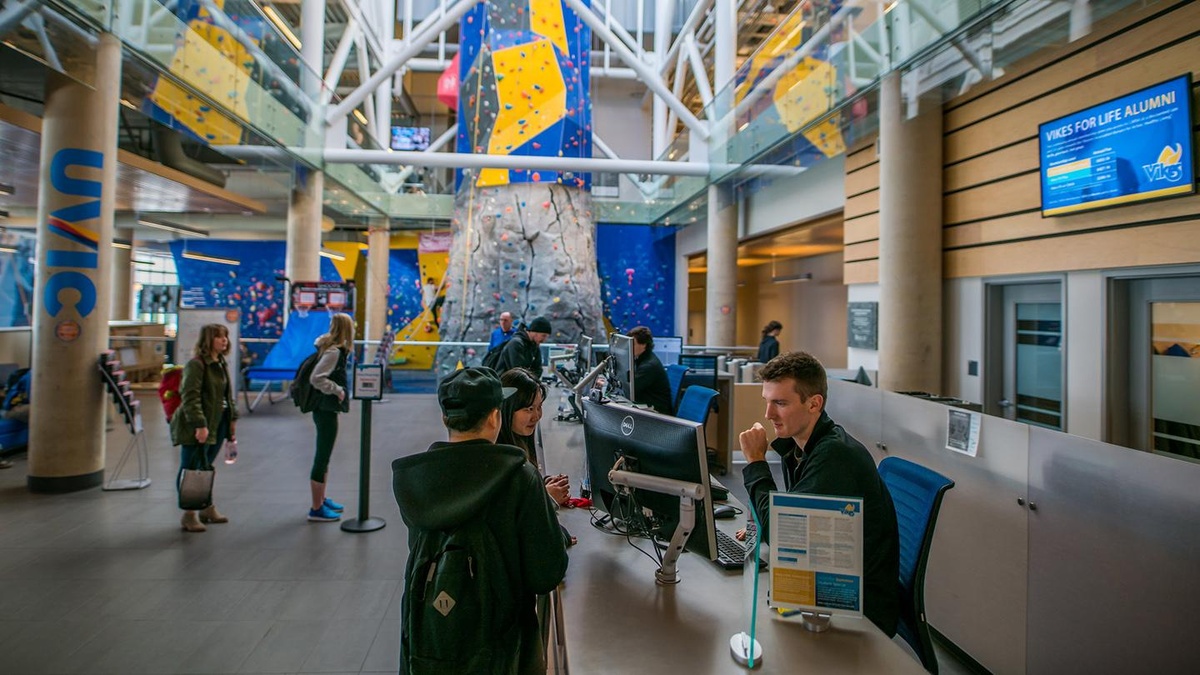
• CARSA (Centre for Athletics

World-class facility

Recreation

World-class facility

and Special Abilities)

World-class facility

• University of Victoria Campus

World-class facility

• McPherson Library

World-class facility